Genotyping / sequencing tools and services
New genotyping services launched across CGIAR and partners
CGIAR Excellence in Breeding has launched new low-cost, high throughput genotyping services, positioning CGIAR and national breeding programs to take a leap forward in delivering vital crop varieties.
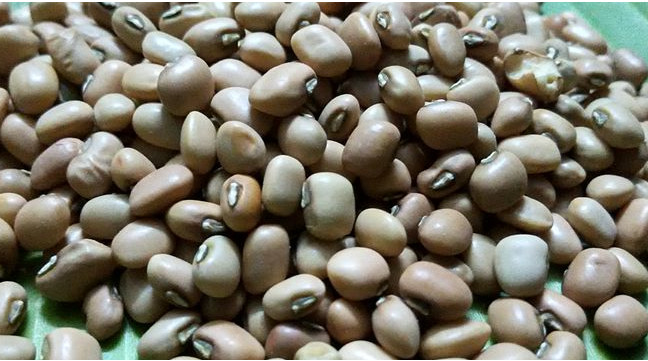
Cowpea mid-density genotyping services
This mid-density marker platform for cowpea (Vigna unguiculata [L.] Walp.) genotyping contains 2,602 SNP markers with an average density of about 3 SNPs per cM (or 4 per Mbp) throughout the 11 cowpea chromosomes. Marker density is higher by physical distance in high recombination regions and lower in low recombination regions.
Low Density SNP Genotyping Services: An EiB Launch Event
The new LDSG service is the latest evolution from the “High Throughput Genotyping - HTPG” project, made possible through the strong partnerships and support of many CGIAR, public and private research organizations.
As CGIAR centers continue their journey toward becoming One CGIAR, the LDSG service is a trailblazing service designed to cater to the needs of new CGIAR and NARs breeding networks. The ultimate goal is to provide quality and affordable genotyping solutions to all.
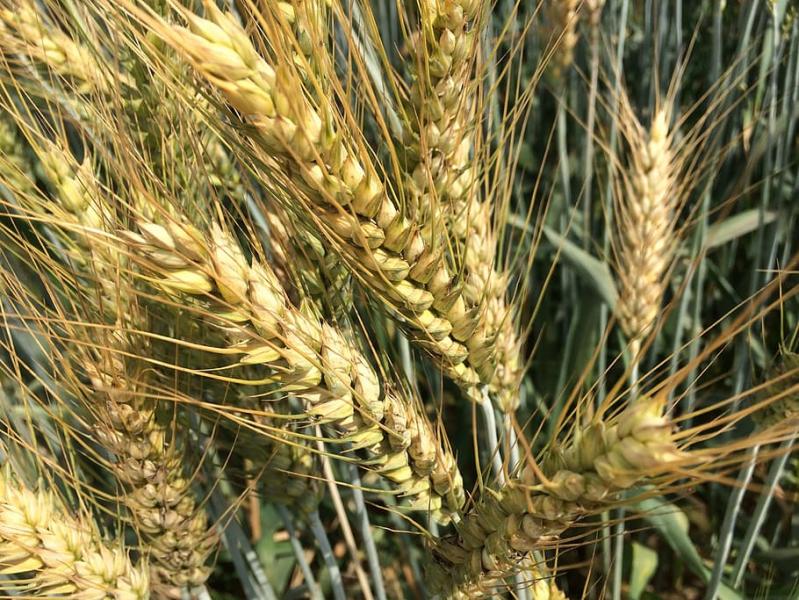
Wheat 2.4K mid-density genotyping services
Within the “Accelerating Genetic Gains in Maize and Wheat” and “Zinc mainstreaming in Wheat” projects funded by the BMGF, the UK FCDO, the USAID, and the FFAR; CIMMYT is piloting to further shortening its breeding cycle to increase its breeding efficiency. A robust, cost-effective mid-density SNP platform is ideal for this type of genomic-assisted breeding approach.
Potato mid-density genotyping services
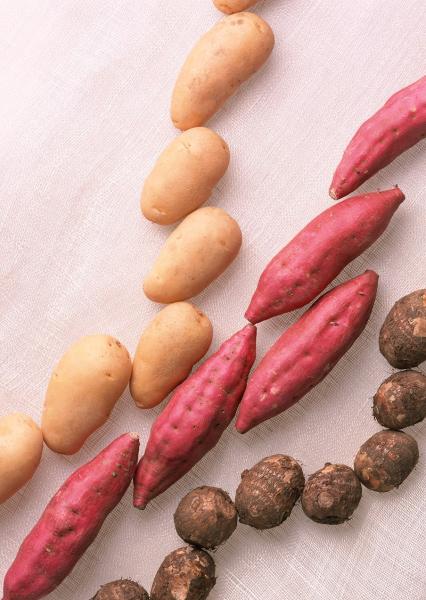
Potato (Solanum tuberosum L.) was originated and firstly domesticated in South America (https://cipotato.org/potato/). This crop occupies an important position in human consumption, with developing countries expanding its production by nearly 200 million t. from 1961 to 2016/18 (FAOSTAT 2020).
Mid-density genotyping service
The EiB mid-density genotyping service is a DArTAg genotyping method primarily suited to genomic selection applications, but that can also be used for diversity studies, material fingerprinting, or background recovery in marker-assisted selection (MAS) to complement low-density genotyping.
The service is targeted at CGIAR and NARES breeding institutions, aggregating demand across institutions to offer genotyping at a cost of $12-17 per sample (depending on the number of sample plex), and a turnaround time of 10-15 days.
KASP low density genotyping Platform
A DNA-based molecular marker is a genomic DNA (gDNA) fragment located within a genome at a specific position that may or may not be linked to a specific trait of agricultural interest. Trait linked DNA based markers allow us to easily screen breeding materials for favorable alleles associated with traits of interest.
The EiB low-density genotyping service is based on KASP markers. Kompetitive Allele Specific PCR (KASP) is a simplified fluorescence-based methodology to genotype specific polymorphisms or INDELS. This approach is cost effective and offers rapid turnaround for low-density marker applications (between 1 and 200 markers), with applications including specific trait screening, quality control and marker assisted selection (MAS).
The markers available for use in low-density genotyping can be consulted below. This list is continuously updated and improved: kindly remember to revise the list of markers and consult with EiB genotyping services when planning for genotyping, especially new users.











Plant breeders assess tools and services to accelerate breeding with genotypic data
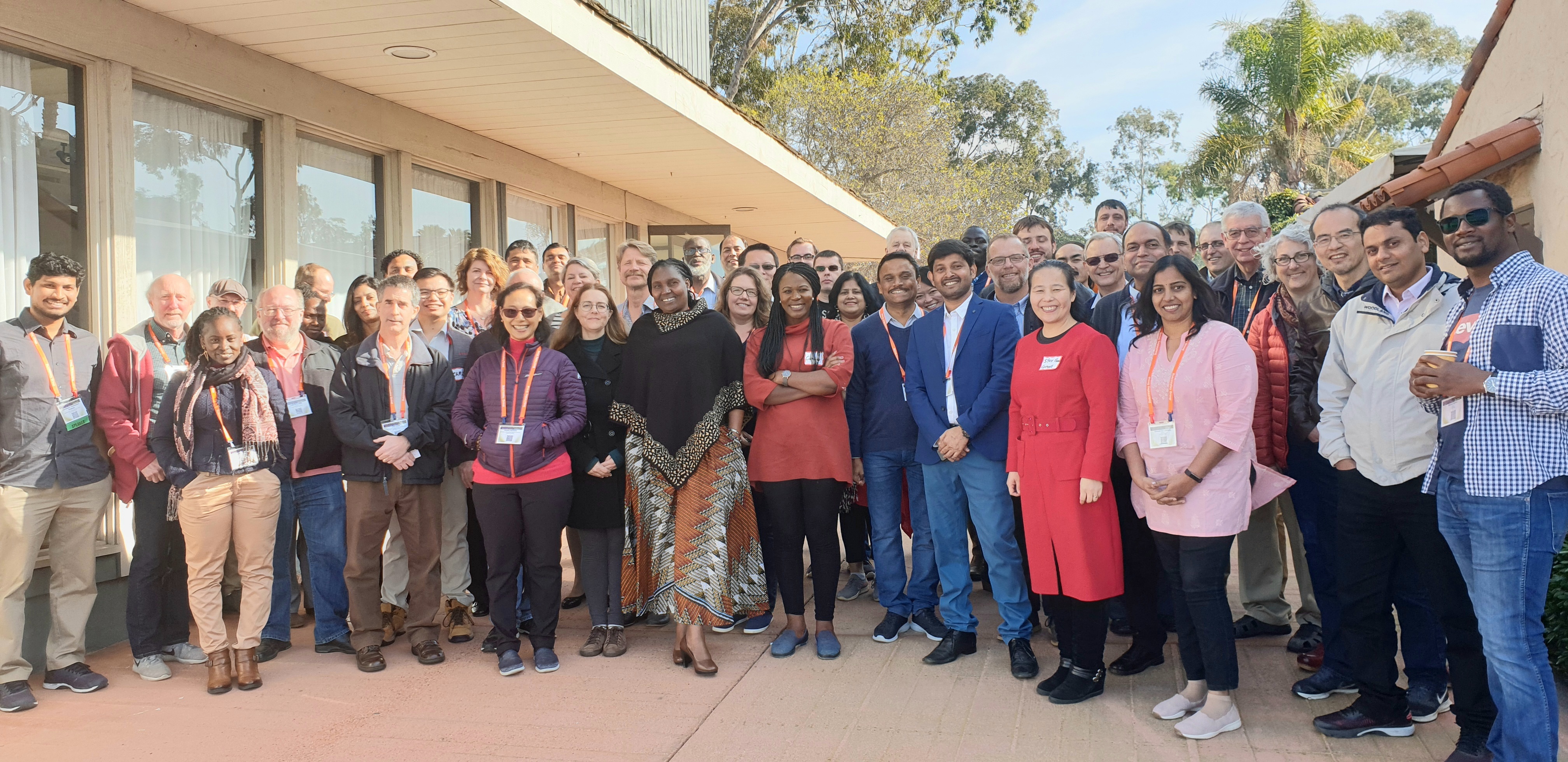
On January 15, the CGIAR Excellence in Breeding Platform (EiB) held a one-day workshop with users of its genotyping and data analytics services at the 2020 International Plant and Animal Genome (PAG) conference, held in San Diego, USA.
Applying advanced genomics and data tools to complex polyploid crops
CGIAR and public sector experts met at the International Potato Center (CIP, Peru) to evaluate genomics resource needs and demonstrate new tools and methods for polyploid crop breeding.
Low-density genotyping services introduction
Notice: New 2022 pricing plan for genotyping services
The EiB low-density genotyping service (formerly the High Throughput Genotyping Profect [HTPG]) is a shared KASPTM genotyping platform serving all CGIAR centers and their partner programs.
Genotyping workshop for transformative rice breeding in Bangladesh
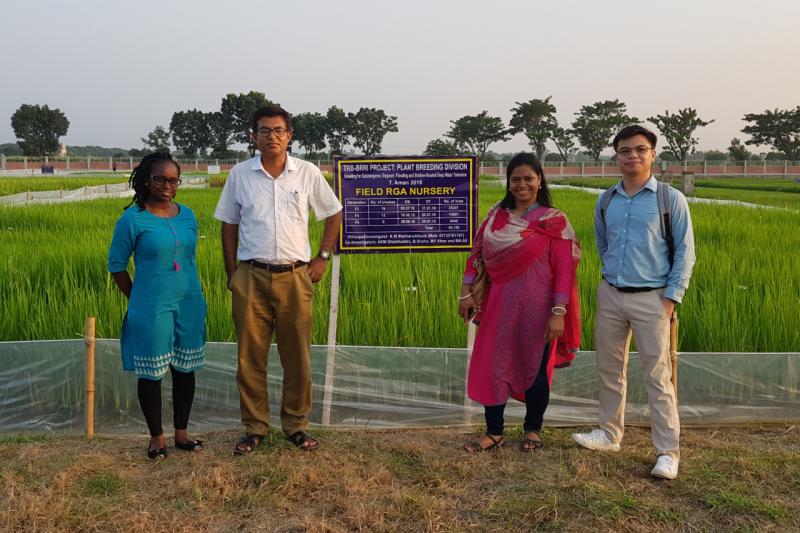
During 17-21 September, 22 members of the transformative rice breeding project at the Bangladesh Rice Research Institute (BRRI) received training in high-throughput genotypic selection and analysis as part of the collaboration between EiB and the High-Throughput Genotyping Project (HTGP).
New business model puts high-tech genotyping to work for smallholder farmers
Excellence in Breeding Platform partners join forces to obtain lower cost services.
Low-density genotyping service
The EiB low-density genotyping service (formerly the High Throughput Genotyping Project [HTPG]) is a shared KASPTM genotyping platform serving all CGIAR centers and their partner programs.
GOBII/EiB cross-project workshop showcases integrated breeding resources and tools to African partners
"By working together, we can have much greater impact and help train breeders in the latest and most efficient techniques,” Liz Jones, GOBII Director.
This article first appeared on BTIScience.org
Michael Olsen

Genotyping/ Sequencing Tools and Services
Michael Olsen
Michael (Mike) Olsen has 14 years of private sector experience in conventional and molecular maize breeding as part of Syngenta and Monsanto North America breeding teams. Presently, as trait pipeline and upstream research coordinator at the International Maize and Wheat Improvement Centre (CIMMYT), he leads the molecular breeding team of the Global Maize Program and provides strategic direction to upstream research efforts. He is currently serving as project lead for Improved Maize for African Soils (IMAS), a multi-institutional public-private partnership to develop maize varieties with improved performance under low fertility conditions common in Sub-Saharan Africa. He is also principal investigator for the Genomic Open-source Breeding and Informatics Initiative (GOBII), at Cornell University – U.S., to enable routine use of genomic data in applied CGIAR breeding programs through integration of appropriate infrastructure, databases, analysis pipelines, and user interfaces.
Genotyping / sequencing tools and services
As of 2022, this work is delivered primarily through CGIAR Initiative on Breeding Resources, Work Package 2.
*****
Faster and cheaper genotyping and sequencing services have opened up the wealth of diversity in crop and animal varieties for study, and when applied effectively have the potential to accelerate the rate at which new varieties can be developed.
The genotyping/sequencing module supports Platform members to access user-validated, application-appropriate genotyping services and technologies by:
- Aggregating demand and brokering access lower-cost, user validated genotyping services.
- Documenting use cases and incorporating expert knowledge for users to be accessed through the Platform Toolbox.
The Bioinformatics, biometrics and data management module supports users to manage and apply genotypic data in breeding programs.
*****
Important notice: Price adjustment for genotyping shared services from August 2023.
Option box:
Module leader