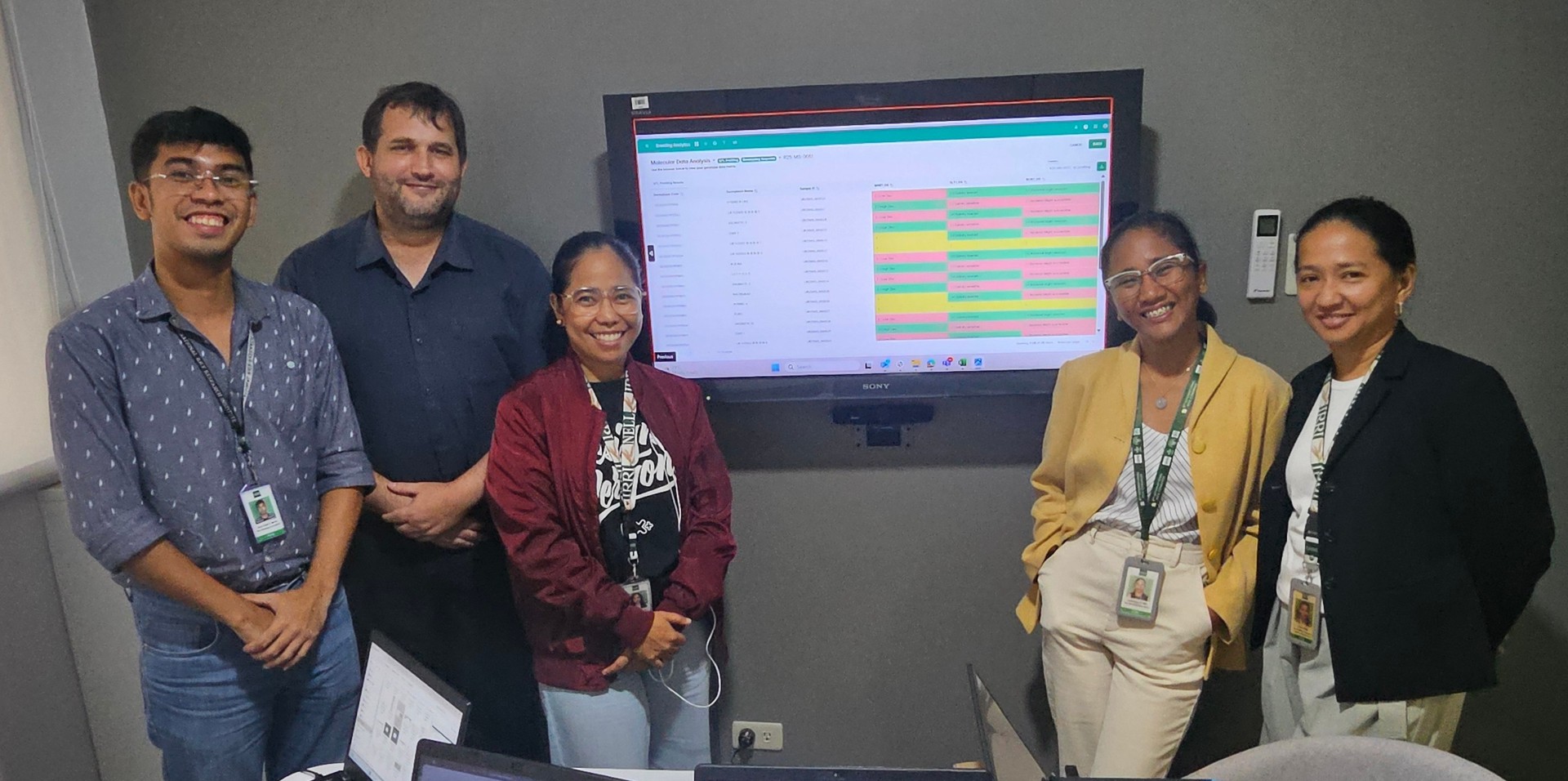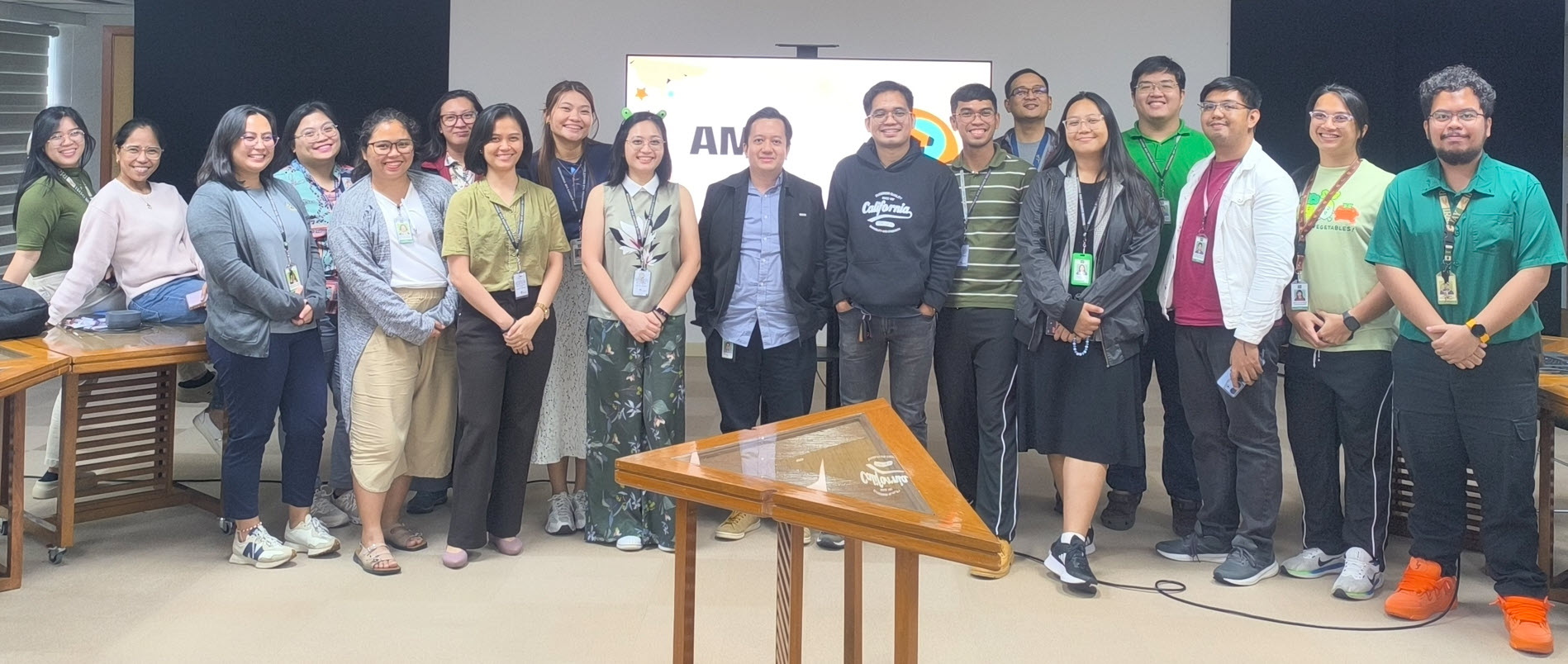
DS equips CGIAR data managers on EBS through Train-the-Trainer

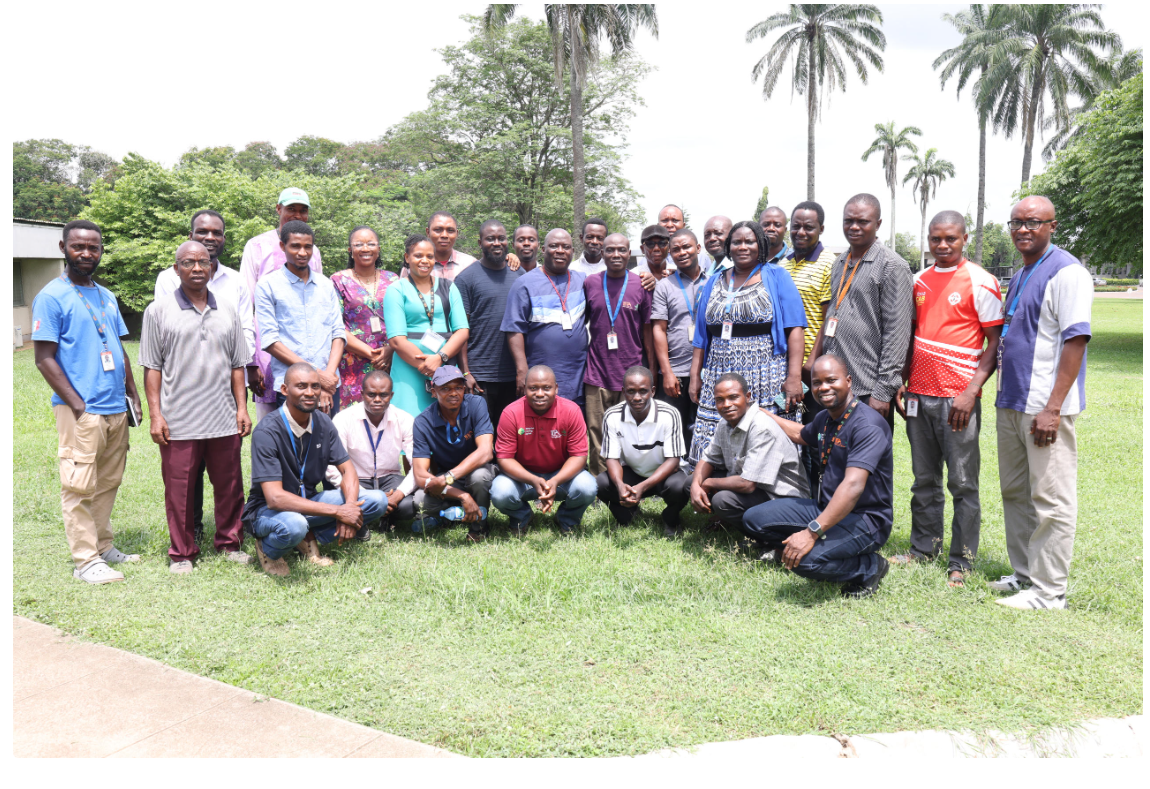
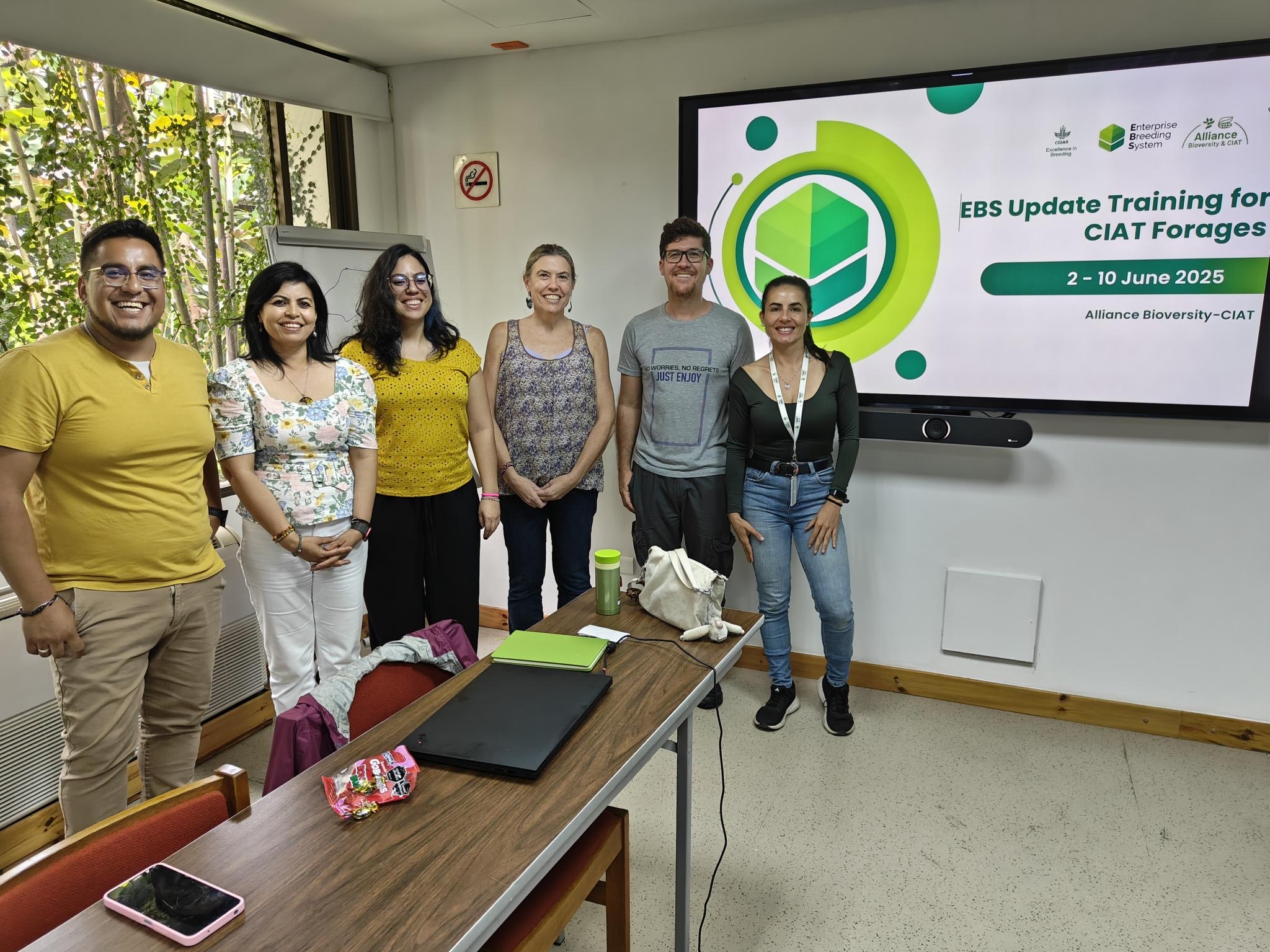
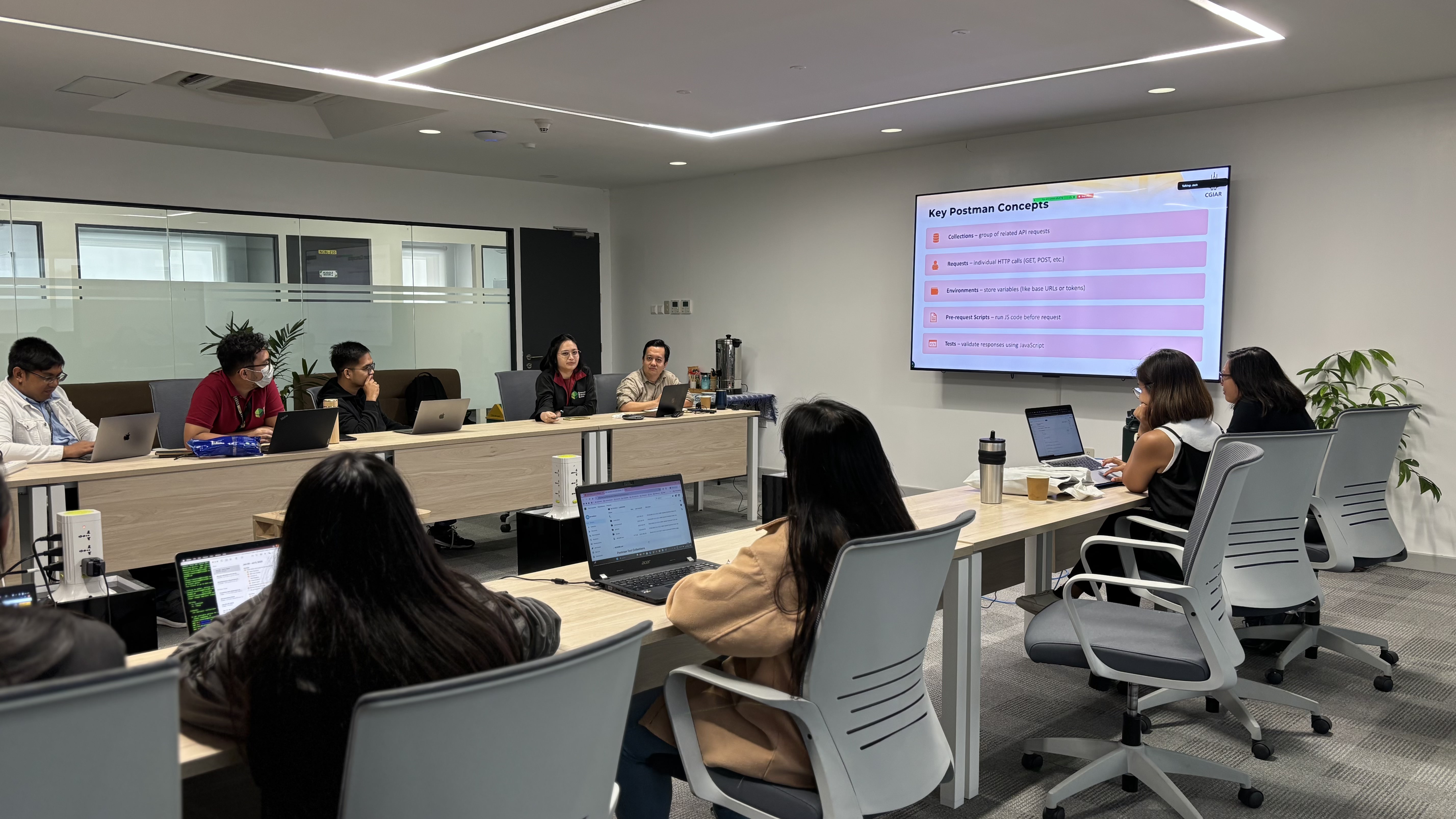
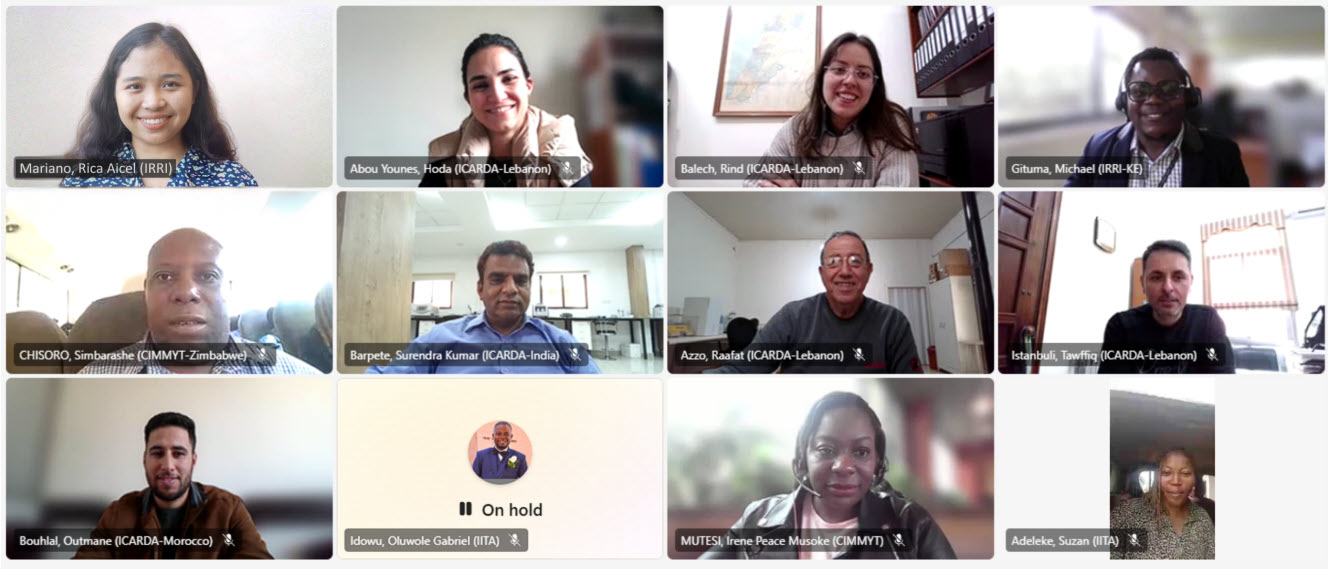
From September 29 to October 17, Digital Solutions delivered a comprehensive Train-the-Trainers program on the Enterprise Breeding System, equipping data managers across CGIAR centers with advanced EBS skills. Through hands-on activities and expert virtual coaching, participants gained the capability to train end-users and drive data-driven, digitally enabled breeding improvements in their programs.
Read More »

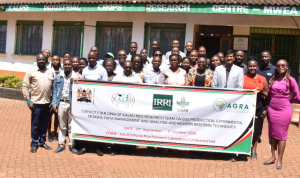
Kenya Strengthens Rice Research Capacity Through Training on Early Generation Seed Production and Digital Breeding Tools

IRRI’s participation in KALRO’s capacity-building program strengthened Kenya’s national rice research system by advancing technical and digital competencies. Through hands-on training in EBS, Bioflow, and modern breeding practices, the initiative empowered scientists, enhanced institutional collaboration, and reinforced the commitment to accelerating digitally enabled, efficient, and high-impact rice research across the country.

Read More »

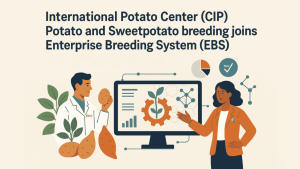
CIP Potato and Sweet Potato Breeding Joins EBS: A Milestone in CGIAR’s Digital Transformation

The International Potato Center (CIP) is taking a major step in CGIAR’s digital transformation by integrating its potato and sweet potato breeding data into the Enterprise Breeding System (EBS). As the first Roots, Tubers, and Bananas (RTB) crops fully managed within EBS, this milestone advances networked, data-driven breeding under CGIAR’s Breeding for Tomorrow vision. Through this integration, CIP enhances efficiency, transparency, and data stewardship, paving the way for faster development of climate-resilient, farmer- and consumer-preferred varieties while reinforcing CGIAR’s unified, secure, and sustainable breeding data ecosystem.

Read More »

EBS Unlocks Faster, Smarter Breeding with QTL Profiling

The Enterprise Breeding System (EBS) is revolutionizing rice breeding with QTL profiling. By transforming complex genotyping data into clear, actionable insights, breeders can identify key traits like disease resistance and yield stability in minutes. This innovation accelerates decision-making, streamlines breeding cycles, and strengthens global efforts toward resilient, food-secure futures.

Read More »

Strengthening Breeding Capacity through Digital Innovation: IRRI Conducts EBS End-User Training in Tanzania

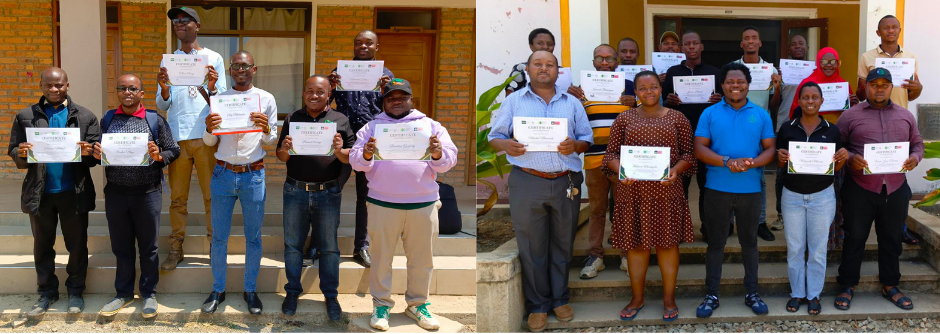
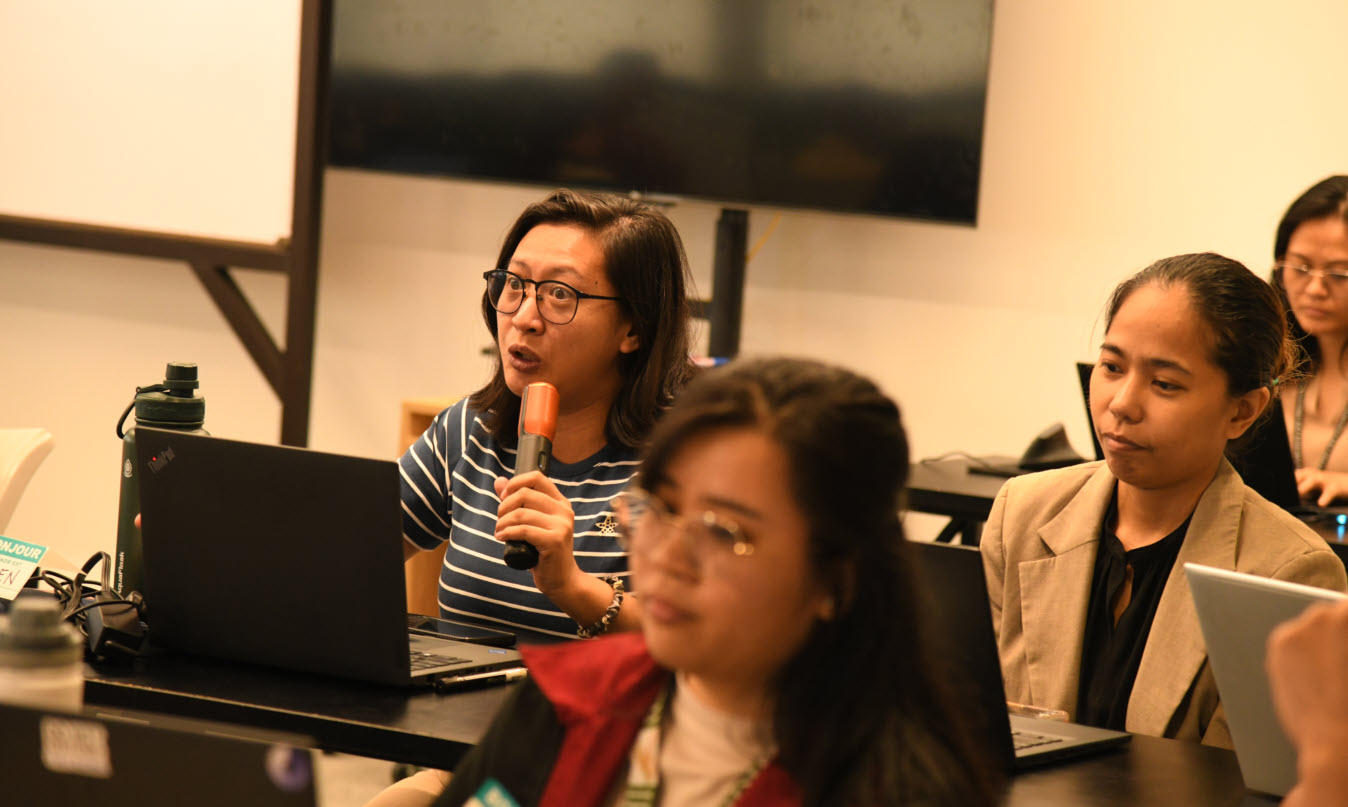
From 8–13 September 2025, IRRI conducted Enterprise Breeding System (EBS) End-User Training in Tanzania, engaging researchers from IRRI and TARI across Uyole and Dakawa stations. Led by Michael Gituma, the sessions enhanced digital capacity, strengthened collaboration, and empowered participants to apply EBS for more efficient, data-driven breeding practices.

Read More »

IRRI Hosts Train-the-Trainer Program on Enterprise Breeding System (EBS)

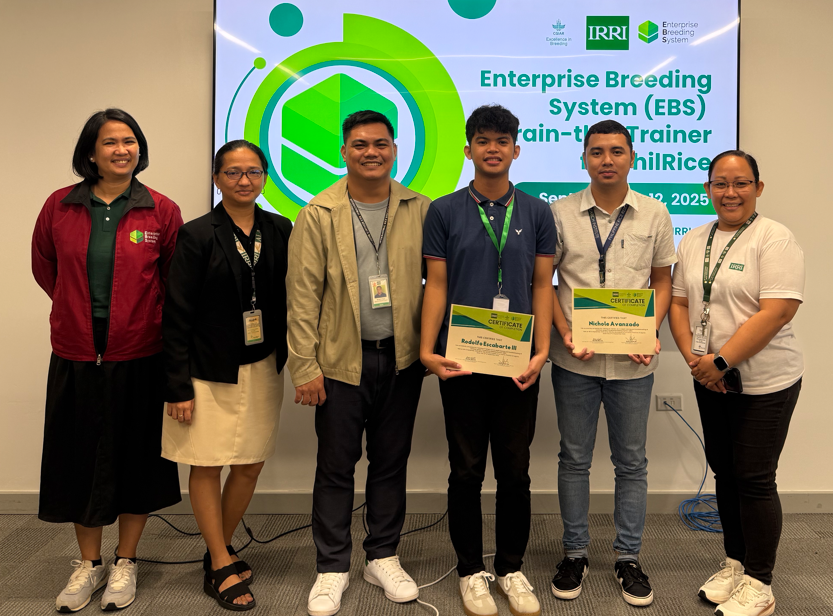
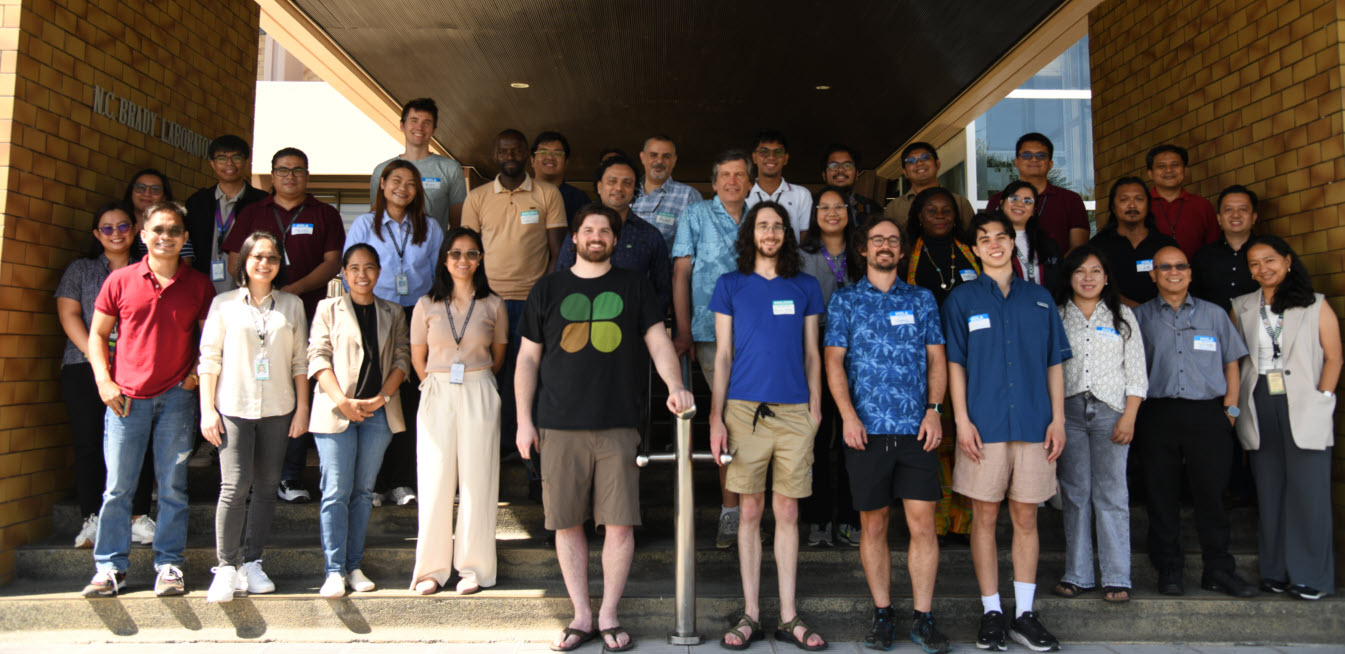
From September 8–12, 2025, IRRI hosted a Train-the-Trainer program on the Enterprise Breeding System (EBS) for PhilRice selected staff. The five-day course-built skills in system management and data handling, empowering participants to strengthen institutional capacity, promote EBS adoption, and advance collaborative, data-driven breeding across national programs.

Read More »

EBS Showcased at the 2nd International Symposium on Data-driven Intelligent Breeding in Maize

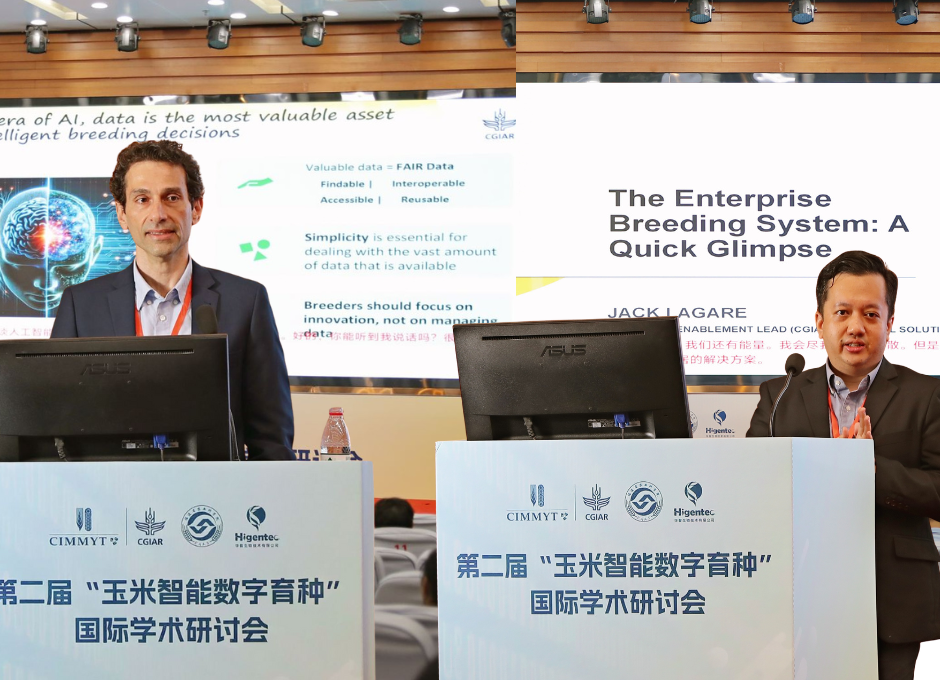
The Second International Symposium on Data-driven Intelligent Breeding in Maize showcased how digital innovation is transforming crop improvement. CGIAR’s Breeding Resources Digital Solutions team presented the Enterprise Breeding System, highlighting its role in accelerating breeding cycles, advancing data-driven decisions, and strengthening global collaboration for resilient, food-secure futures.

Read More »

Transforming breeding programs through digital solutions

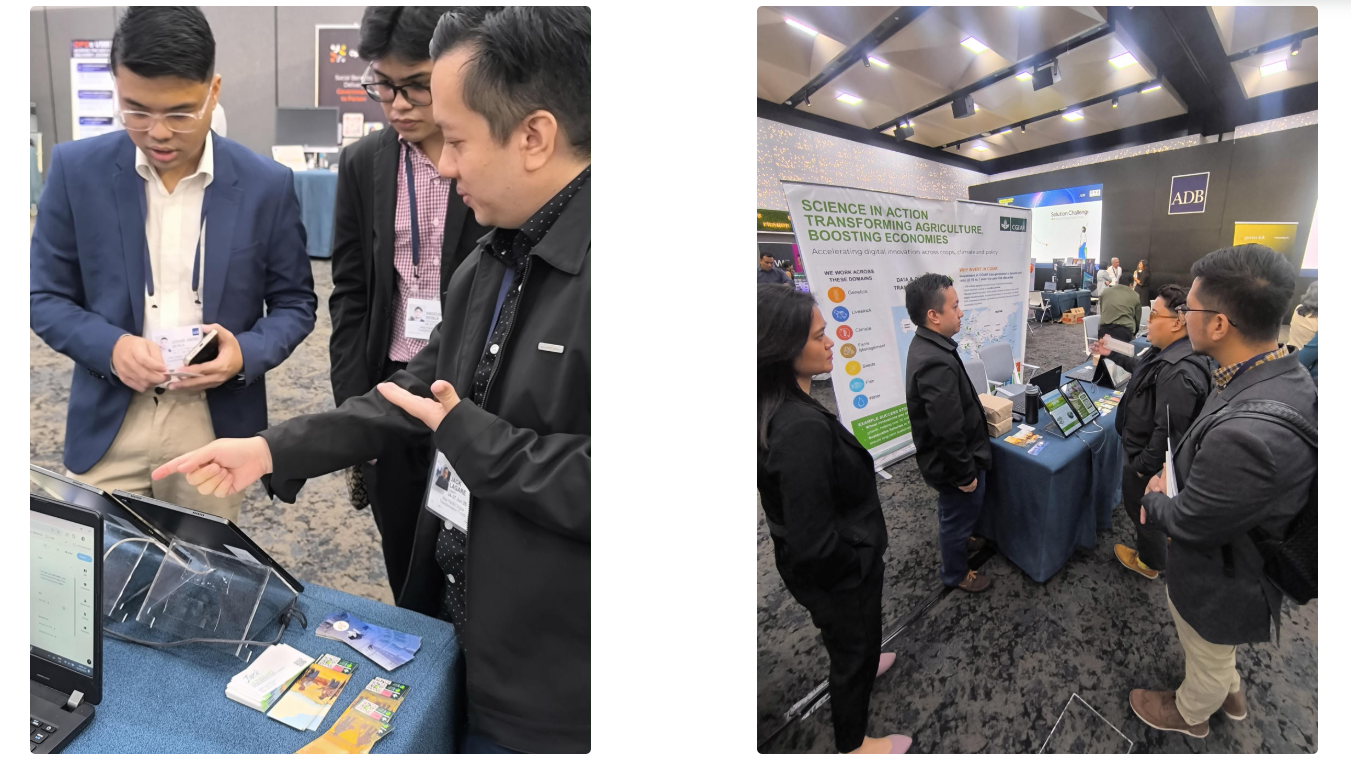
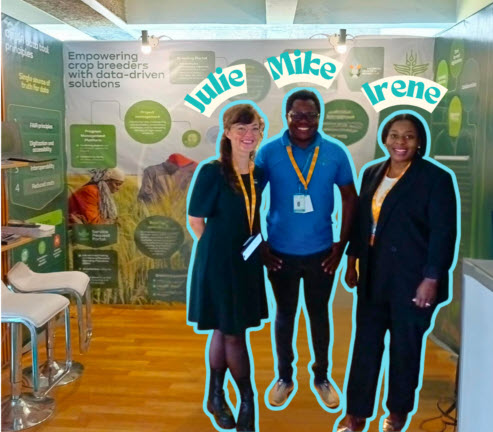
Leveraging digital technologies to accelerate crop breeding processes and making sure these platforms and services are accessible to breeders was the key highlight showcased at the Asian Development Bank’s (ADB) Digital Tech & Innovation Marketplace exhibit on 25-26 June 2025 at the ADB Headquarters, Philippines.

Read More »