
The International Rice Research Institute (IRRI) participated in KALRO’s five-day capacity-building program, held from 29 September to 3 October at the KALRO Mwea Centre in Kirinyaga County, Kenya, where it delivered a live demonstration of the Enterprise Breeding System (EBS) alongside other digital solutions. The training enhanced the capabilities of Kenya’s rice research team in Early Generation Seed (EGS) production, experimental design, agronomic trial management, experiment creation and oversight, digital data collection and analysis, and modern breeding techniques. Representatives from the Kenya Agricultural and Livestock Research Organization (KALRO), the Mwea Rice Growers Multipurpose Cooperative Society (MRGM), and the National Irrigation Authority – Mwea Irrigation Agricultural Development Centre (NIA–MIAD) also took part in the program.
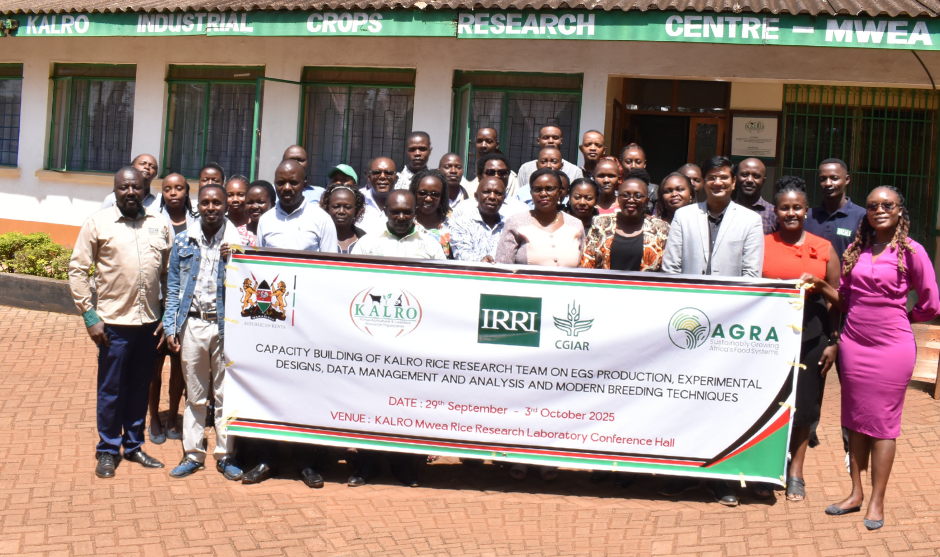
The training brought together 32 participants, including rice breeders, agronomists, biometricians, technicians, and institutional partners, to strengthen skills in the production of Early Generation Seed (EGS), experimental design, the management of agronomic trials, digital data collection and analytics, and modern breeding techniques using the Enterprise Breeding System and Bioflow.
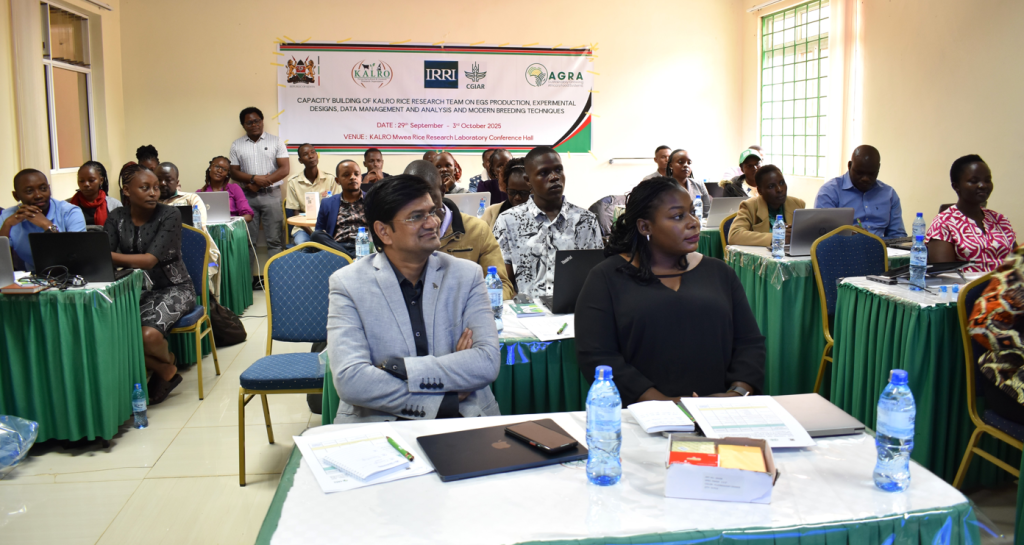
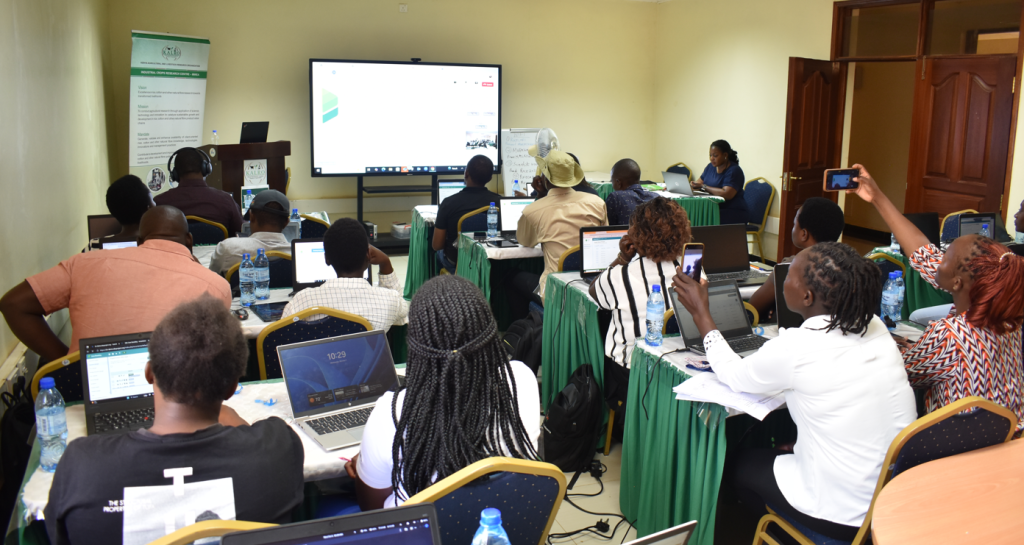
Strengthening Technical and Digital Capabilities
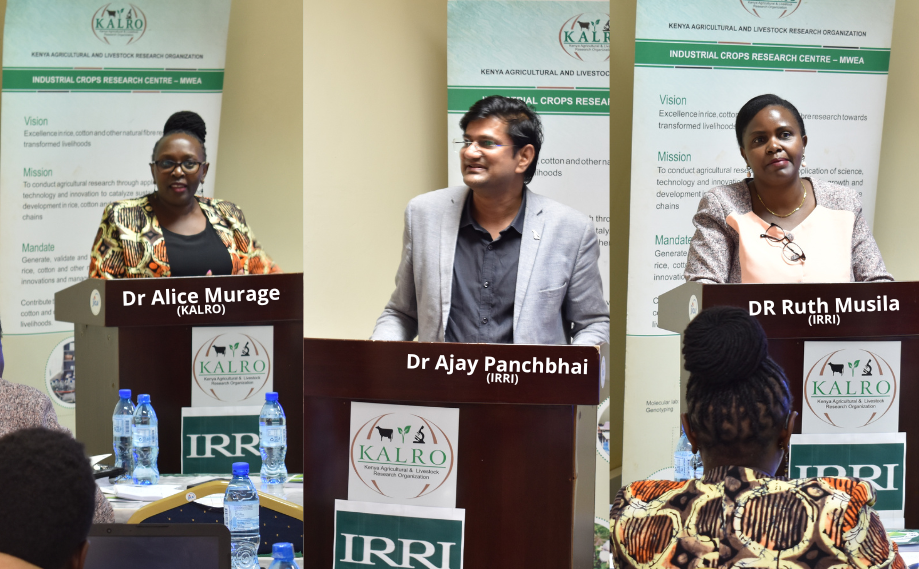
The program opened with leadership remarks highlighting the strategic importance of rice research and the need to accelerate digital transformation. Dr. Ruth Musila, Centre Director of KALRO Mwea, emphasized rice’s critical role in Kenya’s food systems and underscored how digital tools can enhance research efficiency. Dr. Ajay Panchbhai, IRRI’s Regional Lead, reaffirmed IRRI’s commitment to building national breeding and seed system capacity. At the same time, Dr. Alice Murage, KALRO Deputy Director General for Crops, commended the strong participation of young scientists and called digitization a pivotal step for Kenya’s rice research programs. Dr Rosemary Murori, IRRI Country Representative, provided an overview of the training, introducing its focus on EGS production. KALRO leadership reaffirmed the strategic value of rice to Kenya’s food systems, while IRRI underscored its commitment to building national breeding and seed system capacity.
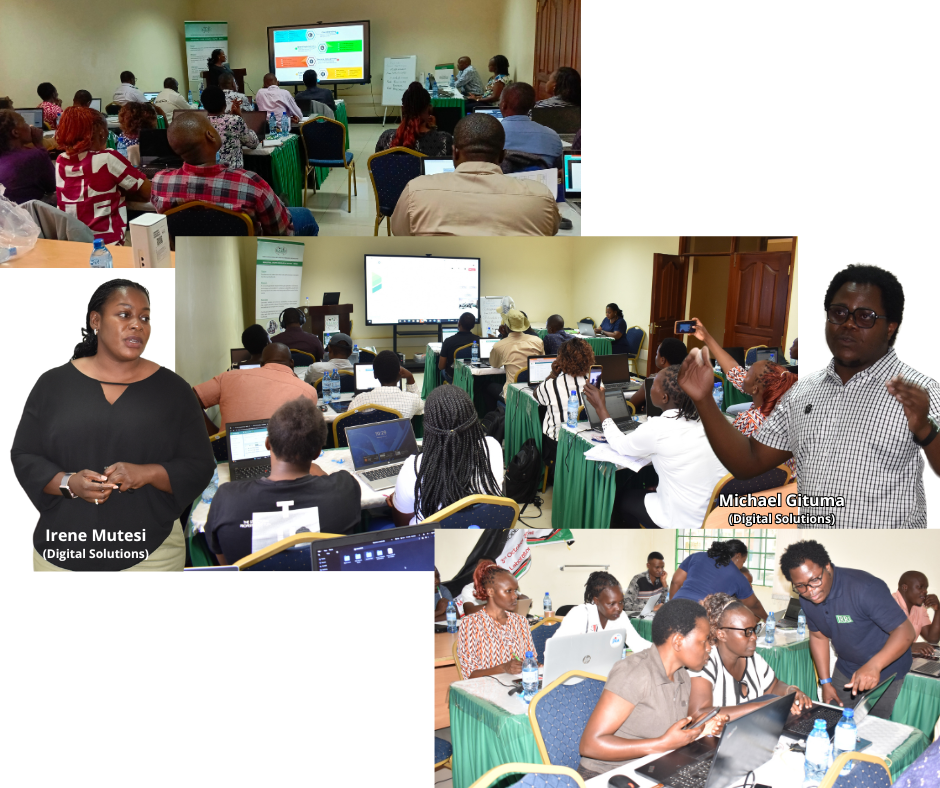
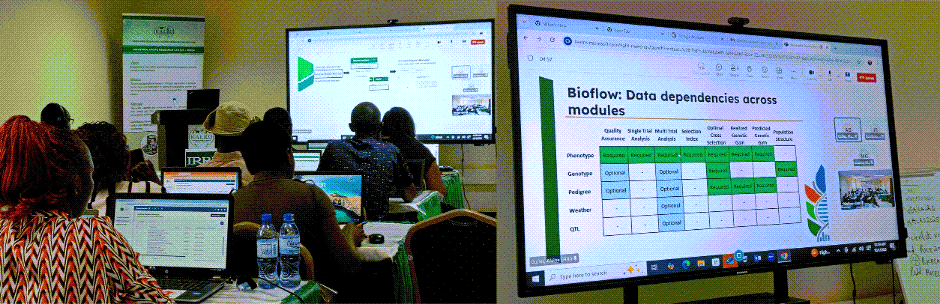
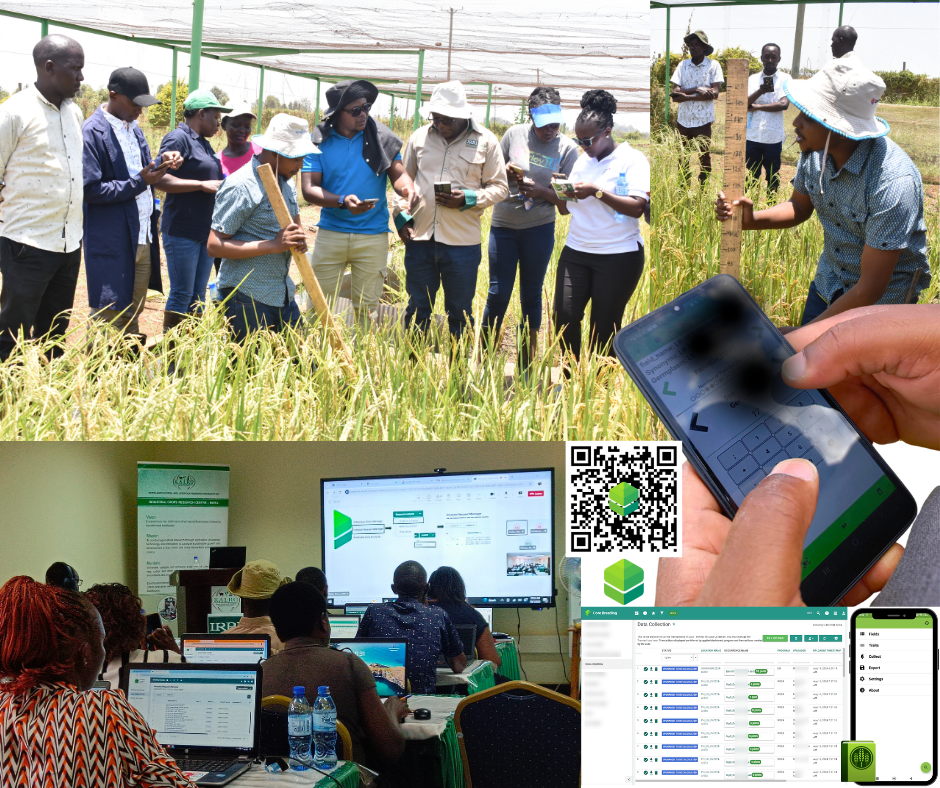
Over the first three days, participants received intensive training on EGS production, trial establishment, and core EBS functionalities. Hands-on sessions, led by Michael Gituma and Irene Mutesi of the Digital Solutions Global User Support team, guided users through trial creation, plot mapping, trait configuration, Field Book setup, and digital data capture. Field exercises demonstrated translation of experimental designs into practical layouts that include RCBD and alpha lattice for breeder and nucleus seed production.
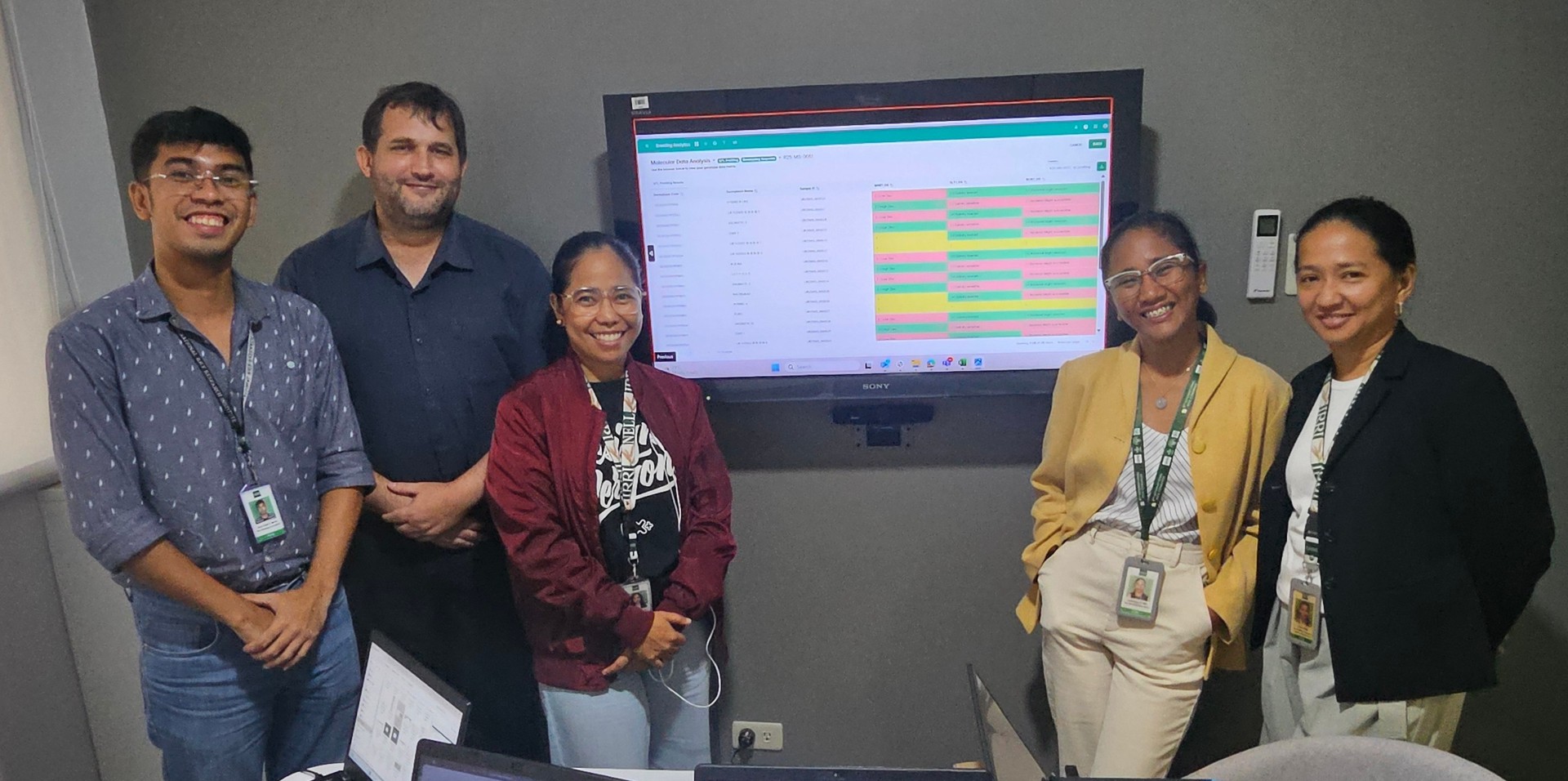
Further sessions covered data validation, phenotypic data management, statistical analysis workflows, and interoperability through Bioflow, virtually led by Alaine Gulles and Justine Bonifacio of the IRRI’s Breeding Analytics team. Participants also explored Service Management modules for genotyping, requests, and batch management, along with available support tools and resources.
Collaboration and Practical Impact
The training helped to build confidence regarding the adoption of digital breeding workflow, and identified areas for modernizing rice research. Participants indicated that they increased knowledge and skills in conducting field experiments, nominating digital data capture and analytics for decision-making as priority strengths. Institutional leaders, including Ministry of Agriculture agency heads and those at KALRO, are committed to scaling the adoption of EBS within KALRO and its partner networks.
The workshop also enhanced the collaboration between partners, i.e., KALRO and IRRI, MIAD and MRGM. A participants’ forum was formed to provide a culture of learning and peer support.
Addressing Operational Challenges
Despite intermittent internet connectivity and logistical constraints, the training progressed successfully. These experiences reinforced the need for continued investments in digital infrastructure to support research digitization.
Moving Forward
Participants will take part in follow-up mentorship sessions and share insights within their institutions based on on-site feedback. A priority was determined to be more training on analytics and system interoperability. Long-term integration of digital solutions will be further supported by ongoing conversations about institutional agreements.
The initiative is a significant step toward Africa’s rice research that is digitally enabled. The program puts the national rice research system in a position to increase breeding efficiency and provide better results for farmers and communities by giving young scientists access to cutting-edge tools and promoting institutional commitment.